Tuesday, 16 May 2023

Adnan Saidin Raja Sepak Takraw Asia kembali ke rahmatullah


RAJA Sepak Takraw Asia 1986, Adnan Saidin kembali ke rahmatullah kira-kira pukul 6 pagi ini di Hospital Sultanah Bahiyah, Alor Setar, Kedah.

Anaknya, Mohd. Faizal Adnan (kiri, gambar kanan) berkata kepada BebasNews, bapanya menghembuskan nafas terakhir akibat pendarahan dalam kepala yang semakin banyak, seperti yang dimaklumkan doktor.

“Kata doktor ketika memanggil kami ahli keluarga terdekat, keadaan jantung abah yang tidak berapa kuat menyebabkan pendarahan dan kerosakan semakin cepat.

“Yang OK selepas pemeriksaan hanya tekanan darah dan kandungan gula dalam badan abah,” kata Faizal, 38, bekas pemain negara, Kedah dan Negeri Sembilan serta anggota Polis Diraja Malaysia.

Adnan kata Faizal, telah dirujuk ke hospital berkenaan selepas dirawat di sebuah pusat perubatan swasta di Alor Setar sejak 8 Mei lalu kerana tidak mempunyai pakar neurologi atau bahagian otak.

“Jenazahnya dimandikan di hospital itu, pagi ini dan dikebumikan di Tanah Perkuburan Islam Lorong Haji Sham, Kampung Padang, Lebuh Raya Sultan Abdul Halim, Alor Setar selepas zuhur,” katanya.

Pemergian Allahyarham pada usia 66 tahun, meninggalkan seorang balu, Suraya Abdullah, 53, dan enam anak iaitu Nor Adilah, Nor Nadiah, Faizal, Nor Nadirah, Suhaila dan Mohd. Fariz Haikal dengan yang sulung, 44 tahun dan termuda, 19 tahun.

Isteri pertama Allahyarham, Allahyarham Ramlah Marzuki telah kembali ke rahmatullah pada 2000.

Adnan dilahirkan pada 25 Februari 1957 di Kampung Padang Tandop, Alor Setar.

Bermain di posisi apit kiri, beliau terkenal dengan libas pari dan mendapat gelaran Raja Sepak Takraw Asia 1986 daripada penganjur Kejohanan Sepak Takraw MAS-Utusan Malaysia-RTM di Stadium Negara, Kuala Lumpur.

Adnan juga ialah antara 12 pemain skuad pertama Malaysia yang berjaya membawa pulang Piala Raja Thailand pada 1985 selepas menewaskan Thailand ‘A’ dan ‘B’ 2-1 di Stadium Huamark, Bangkok.

Skuad kendalian Hassan Sulaiman, Zakaria Ali dan Talib Nasir ini turut diperkasa Salim Yusof, Jusri Rick, Omar Husin, Darus Mahmood, Noor Rani Adnan, Subari Said, Azman Ismail, Ismail Atan, Raziman Hassan, Zainal Abidin Othman dan Fauzi Ayob.

Beliau juga bergelar ketua pasukan negara dari 1980 hingga 1986 dan Kedah, 1976 hingga 1992, Olahragawan Kedah 1980 dan 1981 selain pesara sebuah syarikat utiliti negara dengan jawatan terakhirnya, Penyelia Rentang Kabel.

Gandingan serasinya dalam skuad negara dan Kedah ialah Shukri Ismail (apit kanan atau pengumpan) dan Azman (tekong) yang membantu Kedah menjulang Piala Emas Khir Johari pada 1981, 1985, 1986 dan 1987.

Bakat dan kejaguhan Adnan turut diwarisi Faizal yang memenangi pingat gangsa antara regu sepak takraw pantai Sukan Pantai Asia 2008 di Bali, Indonesia. — BebasNews

Monday, 13 July 2015

Maintaining Nutrition goals at Hari Raya.


#‎HARIRAYA‬ period is often seen as one of the hardest times to stick to a healthy eating lifestyle as we are constantly tempted by sweets, treats and just too much food in general. Whilst for elite athletes, sticking to a healthy diet whilst still enjoying the festive period can be a difficult balance to strike.

Here, we shares some top tips on how to stick to healthy eating throughout the #HARIRAYA period...

1. Don’t go to a "Open House" hungry

When we go to Hari Raya Open House, and there may be several in the lead up to #HARIRAYA, we are often tempted by tasty treat foods. Furthermore, we often eat a lot faster and more when we are hungry.

2. Go for the Good foods first

Fill your plate with good foods first.

3. Portion sizes

Your favorite calorie-laden foods are not completely off limits, but make the effort to enjoy them in smaller portions.

4. Eat several small meals a day

Do not skip meals and overindulge at one "Open House"! Have healthy snacks little and often and most importantly start your day with a healthy breakfast. This will make your holidays more enjoyable by stabilizing your blood sugar and energy levels. You will not spend the day being grumpy from not eating for hours, or be asleep for half the afternoon because you ate too much in one meal.

5. Influence the influencers!

The people around you can have a big impact on your nutrition. Whether it’s a family member or a friend, make them aware of your nutrition goals and aims. If they are aware of your targets they are much more likely to think twice before offering you that extra serve of dessert or pressure you in to doing what others around you are doing.

#HARIRAYA should not be a challenging time if sensible consideration and planning is implemented.


Find out how many calories are in the foods you eat...

Ketupat > 1 biji (80g) > 88
Ketupat Palas > 1 biji (80g) > 124
Lemang > 1 Potong (Sederhana) > 82
Lontong Sayur > 1 Mangkuk > 350
Soto Ayam > 1 Mangkuk > 403
Laksa > 1 Mangkuk > 550
Serunding Daging > 55g (1 genggam kecil) > 200
Serunding Ayam > 55g (1 genggam kecil) 180
Rendang Ayam > 1 ketul dgn kuah > 148
Rendang Daging > 2 potong sederhana dgn kuah > 112
Nasi putih > 1 genggam tangan > 150
Nasi Briyani > 1 Pinggan (2 genggam)> 487
Nasi Himpit > 5 potong > 150
Mee-hoon Goreng > 1 pinggan kecil > 295
Teh Tarik > 1 Gelas > 90
Nescafe Tarik > 1 Gelas > 100
Kopi-O Kosong > 1 Gelas > 2
Minuman Ringan > 1 Gelas > 85
Air Kosong > 11 Gelas > 0
Air Sirap > 1 Gelas > 85
Kuih Tart Nenas > 1 Tart Kecil > 50
Biskut Raya (secara am) > 1 biji > 25
Dodol > 1 potong > 71
Kuih Lapis > 1 potong > 132
Tapai Pulut > 1 biji > 134
Ais Krim > 1 scoop biasa > 95
Kurma > 1 biji besar > 60
Cheese Cake > 1 potong sederhana > 240
Kek Coklat (Fudge) > 1 potong sederhana > 250
Kek Coklat (Sponge) > 1 potong sederhana > 180


SELAMAT HARI RAYA ‪#‎AIDILFITRI‬!

Tuesday, 23 June 2015

Ramadhan and Football


Ramadan is a holy month for Muslims during which they observe intermittent fasting for approximately 30 days. The practice of Ramadan fasting is obligatory for all healthy, adult Muslims and requires each to abstain from food and fluid from sunrise to sunset. According to Muslims, Ramadan fasting is regarded with high importance as it is considered a spiritual act that increases God-consciousness and brings about personal improvement through self-restraint.

During Ramadan, Muslims believe they are spiritually more enlightened and rise up towards nobler acts that bring one closer to God. While the choice to fast is that of every individual, for football players and other athletes, the effects of Ramadan fasting on sports performance needs to be considered.
Ramadan is dictated by the Islamic calendar, which follows a lunar cycle and is shorter than the Gregorian calendar by 10 to 11 days. As a result, the month of Ramadan shifts forward each year,   through the seasons, and completes a cycle every 33 years. Over the next few years, Ramadan will be observed in July and August (2013) and will progress to June by 2016. This period presents an additional challenge for football players and all Muslim athletes living in the northern hemisphere, as longer summer days mean a longer fasting period.
It is not uncommon for major sports competitions to be held during Ramadan. Last year, the London 2012 Summer Olympic Games was held during the month of Ramadan. Over the next few years, major international competitions will also overlap with Ramadan (Figure 1). The FIFA World Cup 2014 in Brazil will be held from 12 June to 13 July and will coincide with the month of Ramadan, which will start 28 June 2014. In 2016, the UEFA European Football Championship, also known as the ‘Euro cup’ in France, will coincide with 3 weeks of Ramadan.
Importantly, it is estimated that 29% of the world’s population are Muslim. According to a FIFA report, Muslim football fans are estimated to number 270 million, representing 208 different countries. Although distributed widely, the concentration of Muslims is high in countries where football is a popular sport, such as in the Middle East and Africa. Given the popularity of football among Muslims across the globe, Ramadan and football are closely linked.

The present article is intended to provide a summary of the effects of the Ramadan fast on sports performance, and will highlight key strategies to inform football players, coaches, and organisers on the best practice to cope with the lifestyle changes that occur during Ramadan.


DIET
Athletes are required to maintain a healthy diet in order to optimise performance. Although it is strongly recommended that athletes consume three large meals per day, this is often not the case during Ramadan given the shorter time available to eat. Most Muslims automatically change their meal frequency to two meals: one before sunrise (Suhoor) and the other just after sunset (Iftar). Thus, the major change in lifestyle during Ramadan begins with the shift of food (and fluid) intake from daylight to night hours. As this pattern continues throughout the next 30 days, there is an increased risk of nutritional and energy deficiency in active athletes.
During Ramadan the challenge for Muslim athletes to eat healthy meals becomes more difficult as each day is celebrated with a large feast at sunset (Iftar). In modern Muslim  culture, Iftar comprises of foods high in fat, sugar and salt, which are not necessarily healthy for ‘normal’ individuals, much less for athletes. Studies analysing the nutritional content of Iftar have discovered that the calorific value is nearly equivalent to two meals. Thus, the total daily caloric intake during Ramadan can be maintained, however nutritional deficiencies have been documented, given that food choices are not varied.
To encourage healthy eating among athletes during Ramadan, coaches and sports organisers should advocate for athletes to consume varied foods rich in macronutrient profile (e.g. carbohydrate, protein and fat) and high in nutrients which are essential for optimal performance and recovery. As much as possible, meals should be moderate in size and spaced out at regular intervals to maximise absorption of nutrients. A smaller pre- and post-training meal can also help to increase caloric intake, maintain performance and aid in recovery. Finally, should the opportunity be presented, moving the training camp away from home where a strict diet plan can be offered may improve dietary intake.

HYDRATION
Athletes who fast during Ramadan also cannot drink water during daylight hours. Although dehydration is not widely reported, smaller levels of hypo-hydration could be carried over to the next day and ultimately leave an athlete at risk for dehydration, which could affect performance.
During Ramadan, athletes will have limited opportunity to re-hydrate themselves, especially in the summer months when nights are shorter. In addition, social commitments are usually planned during the night when most people focus more on eating rather than drinking fluids. A common occurrence is for athletes to drink large quantities of water which is an ineffective way to improve hydration. Consuming large volumes of water at once will induce urine loss and if done before bedtime will cause interrupted sleep.
For improved hydration during Ramadan, athletes are recommended to drink water frequently in shorter intervals rather than in one large amount. In addition, solid foods including those containing a marginal amount of salt can help to improve water retention.


TRAINING AND COMPETITION SCHEDULE
During Ramadan, training and competition schedules need to be balanced with consideration for available energy stores and the ability to re-fuel and re-hydrate. Importantly, athletes who participate in training in the morning will not be able to refuel or re-hydrate, whereas those training in the late afternoon or early evening before sunset may not be adequately fuelled or hydrated given that the daytime fast could be up to 14 hours in the summer. Thus, any training between sunrise and sunset would be ineffective and is not recommended during Ramadan.
There is no consensus on the best time to train Muslim football players who fast during Ramadan. In countries where the majority of the team are Muslims, it is usually decided to schedule training at least 3 to 4 hours after the break of fast. Training at this time will avoid diet and hydration restrictions before, during and after exercise. The Qatar Stars League’s usual schedule of matches and training illustrates this perspective (Figure 2).

During non-Ramadan months, all training sessions take place in the evening and matches start around 6.30 pm or 8.30 pm. These timings are delayed during Ramadan and when there are two matches to be played in a day, the second match could be as late as 11.30 pm.
Importantly, Qatar is predominately a Muslim country, and therefore this schedule is designed to fit into the lifestyle of the majority who are fasting. However, for  the  10 to 15% of non-Muslims  who are also participating in football training and competition, their meal timings and sleep habits may be different, which could negatively influence their performance should they not cope well with such changes in training and competition schedules.

Of course, in non-Muslim predominate countries the opposite may also be true. Thus, in all cases both coaches and athletes must communicate to find what is most effective for each individual, for the team and for the competitions.


SLEEP
Sleep loss is a major factor leading to daytime fatigue and poor concentration, which is believed to limit performance and recovery in athletes. New research demonstrates that Muslim football players have major disturbances to sleep during Ramadan. In Qatar football players, there is a substantial delay in the sleep period, increased sleep fragmentation and more reports of daytime fatigue.

Therefore, the impact that sleep has on both recovery and performance, especially during Ramadan when major changes in lifestyle occur, needs to be considered.
Firstly, coaches and athletes must be made aware of the importance of sleep. Further it is recommended that training and competition schedules are balanced with sleep-wake pattern. In all cases, athletes need to be encouraged to schedule their lifestyle to maintain a minimum of 7 hours sleep and ideally between 8 to 9 hours. Interventions such as sleep education, daytime naps and specialist sleep improvement may be warranted to limit fatigue and improve recovery.


PERFORMANCE AND INJURIES
During Ramadan, the crucial question to consider is whether or not training intensity can be maintained. It is well known that sufficient training intensity is needed to promote adaptation and improve athletic performance.
The available literature suggests that when provided with adequate diet, hydration and sleep, football players can maintain their performance as long as the training load is also maintained in relation to intensity and volume. Notably, one study has reported an increase in injury rates among non-Muslims (in a Muslim country) where training and matches were held during evening and late night hours.

Thus, it appears that the ability for individual athletes to cope with the changes during Ramadan is a key factor mediating performance.
The fact that all athletes respond differently to training is not new. However, during Ramadan there are additional lifestyle changes to consider. It is especially important during this time that coaches routinely collect feedback from athletes on factors that may affect both their mental and physical performance.

This includes diet, hydration, sleep, training load, recovery, mood and motivation. By doing so, any   significant deviation from the pre-Ramadan levels should then be considered cause for appropriate intervention according to team protocols.


TO FAST OR NOT TO FAST?
The decision whether or not to fast during Ramadan is not new for professional Muslim athletes. In Qatar and many of the Middle East and Arab countries, Ramadan fasting is practiced from the age of 10 to 12 years. Even after a few years of experience, each athlete will have developed their own set of beliefs, knowledge and perceptions about the impact that Ramadan fasting has on both mental and physical performance. While these perceptions may not be scientifically proven they are valid and should therefore be considered.
The decision on whether or not to fast may receive criticism and disapproval from family, friends and members of the community or coaches who give more weight to religion or sport. It has been reported that some professional league football players observe Ramadan fasting during training as well as during games. Others observe Ramadan fasting on training days but not on match days.

In essence, the right to practice ones faith is recognised as a universal human right. However, the decision to observe the Ramadan fast among football and other athletes is not without concern for others (Figure 3). An Iranian national team player was excluded from the national team squad because he decided to break his fast. Three Muslim players from a German football club received warnings for failing to inform the coach about their decision to fast.
As previously described, in Muslim majority regions athletes will often chose to fast every day because of the social support and culture. In addition, they will receive full support and convenient training and competition plans from organisers.

Of course, some coaches, for example those living in a non-Muslim predominate country are less concerned about Ramadan, since they may have only a couple of Muslim players in the team, while others coach an entire team that practices Ramadan fasting. Therefore, any decision that goes against the team’s will can increase mental pressure and decrease team morale.

 These examples not only highlight the various opinions among athletes and coaches, but also highlight the influence that the surrounding environment may have on whether or not an athlete decides to fast.


CONCLUSION
In conclusion, Ramadan fasting results in a shift of food and fluid intake from daylight to night time, which presents major lifestyle changes that may negatively affect sports performance if not monitored and controlled.

The occurrence of Ramadan with major football competitions is increasing and becomes important to consider given that football is a sport that requires all 11 players on the field to perform at their best physical and mental effort.

While the decision on whether or not to fast is that of each individual athlete, we believe that coaches and organisers can play an important role in providing accurate and updated knowledge about the impact of Ramadan fasting on health and physical performance, and ultimately have mutual agreement with athletes on the best strategy for training and competition during Ramadan.


Wednesday, 6 May 2015

Top tips for social media use in sports and exercise medicine: doing the right thing in the digital age


Sports and exercise (SEM) clinicians need thick skin and a nimble brain to juggle the plethora of competing professional responsibilities; from athlete clinical care, to work/life pressures, all while developing professional knowledge and skills. In recent years there has also been an assertion that SEM clinicians need to develop/maintain a social media presence, and many working in amateur and elite sport now have Facebook, Twitter and Instagram profiles. Although professional bodies have provided social media guidance (see web appendix for additional reading) there is no explicit SEM specific social media guidance. 

In amateur sport, where there is not the day-to-day contact with athletes that a professional sporting environment allows, social media represents a channel of communication between the sports clinician and the athlete.1 ,2 In this hyperconnected age it is appropriate to interact with the athletes under our care using social media, but this needs to be carried out in a way that is professional, ethical and in keeping with the social media guidance from the respective professional organsations (see web appendix). Private discussions using social networks can help resolve communication/geographical challenges and may include multiple members of the multidisciplinary team at once, which can be beneficial while simultaneously remaining confidential (eg, WhatsApp messages and Twitter direct messages). 

Sports clinicians communicating via social media need to be cognisant of their conduct in seveal areas. Confidentiality must always be respected, and broadcasted opinions on refereeing/coaching decisions may undermine the integrity of the competition and provoke team/club scrutiny and controversy. Disclosing injury statuses via social media posts is another obvious pitfall worth avoiding. ‘Trolls’ exist online in many guises,3 and high-profile clinicians who have a social media presence should avoid interaction with such individuals. For clinicians operating in professional sport, there are examples of public conflicts bringing undue attention on the clinician and club, with unwelcome consequences. 

Relationships that exist between medical staff and athletes often extend deeper than traditional clinician–patient relationships seen in hospitals and clinics. In most medical settings a doctor or physiotherapist may not ‘retweet’ content from their patients but sports clinicians frequently do this, possibly as a means of promoting their sport or club which may seem to be of benefit to both the individual and the organisation. Many ethical considerations from these online interactions can arise, for example, if players and staff in a squad are often seen as parts of an ‘extended family’, due to the amount of time they spend together, then is it acceptable for clinicians to ‘befriend’ their players on Facebook? Or reply to their tweets on Twitter? Or comment on their photos on Instagram? It is difficult to be prescriptive in responding to these questions, as there will be prevailing sociocultural norms and individual circumstances. Social networking with athletes can result in ‘ethical baggage’, which can complicate the clinician–patient relationship and medical care as social networking is public and a very different entity to private–personal friendship. 

Given how social media has become a normal part of society (and sport), it is suggested that sports clinicians embrace the media as it has the potential to enhance their practice4 and in some cases can be used to effectively deliver healthcare interventions5 and even change public health policy.6 However, it is important that clinicians are aware of the appropriate use of social media, and steps to encourage social media education for clinicians in other areas of healthcare7 should be adopted by sports medicine. We have generated a list of what we consider are social media best-practice recommendations for clinicians working in sports medicine (box 1) and hope that the sports and exercise medicine social media list can assist sports medicine clinicians to responsibly shape their social media presence. 


Sports and exercise medicine social media top tips

  1. Always respect clinical confidentiality.
  2. Embrace social media use—it is an effective tool for knowledge dissemination, promoting clinical best practice and networking with peers.
  3. Think before you post—would you be happy re-reading your post in 1 week, month or years later?
  4. Steer clear from trolls and puerile online arguments. Let the trolls stay in their caves.
  5. Be cognisant of making a grave faux pas such as disparaging opinions on referees, tactics, releasing team and/or personal information, especially in the professional sports world.
  6. When sharing images of players and colleagues, ensure you seek their informed consent prior to circulating them in the public domain.
  7. Stay up to date and aware of new and emerging platforms that your players may be using (eg, snapchat).
  8. In professional sports with media, marketing and communication departments, liaise with the experts to identify methods to utilise social media for wider public health benefits and to minimise risks of misinterpretation/misrepresentation.
  9. Know your relevant profession's code of ethics/conduct, or/and advocate for inclusion of social media guidance.
  10. If you are working within a squad, consider acting as a reference point to help influence and generate good social media etiquette and practice.


Social media influences many aspects of the sports medicine clinician's practice, as shown by the use and popularity of the BJSM's Twitter feed, with almost 21 000 followers at the start of 2015.8 Sports medicine has always been a fast-moving and dynamic area of medicine, and social media has accelerated this scope but faciliated the potential for generating myths and disseminating incorrect/inappropriate information. Careful and considered use of social media should help this evolutionary process to be safe and enjoyable for sports medicine clinicians, and ensure that business and show business remain separate in the public domain. 

Monday, 13 April 2015

Why your conference needs an official Twitter #hashtag


Attendees are going to tweet about your conference. You can either let them self-organize (bad idea) or you can help them in their efforts simply by creating and promoting an official hashtag (great idea).

Creating a conference hashtag is super simple. (So simple, in fact, you might want to take it a step further and create hashtags for individual sessions.) The best part? Hashtags are free and can be created without ever having to log in to—or even have—a Twitter account.
Attendees will benefit from an official hashtag by:
  • Having an easy way to collect and organize notes.
  • Having access to everyone's tweets in one convenient location.
  • Continuing discussions after the conference (or session).
  • Being able to report problems in real time.
  • Receiving conference announcements in real time.
  • Receiving promotions or other announcements from exhibitors in real time.
Creating an official hashtag is a big help for your attendees, but to get the most out of it, you also need to promote it. So be sure to place it on the conference website, on signage at the venue, and on slides before presentations. Your attendees will thank you.

Tuesday, 6 January 2015

Goal setting: A motivational tool to develop talent

Setting goals for any athlete creates a vision and sets a plan of what they hope to accomplish. Goals should be challenging but also realistic in order to keep the athlete motived.

Writing them down ensures that the process is more effective since they are able to refer to objectives on a regular basis. Having short-term, medium-term and long-term goals allows an athlete to dream, develop motivation and measure each step towards achieving their big picture aspirations.

Goals are what an athlete is trying to accomplish throughout the season or their career. They are also tools to develop their mental skills. There are three types of goals – outcome, performance and process.

Outcome goals require an end result such as winning a tournament or a championship title. These types of goals are out of the athlete's control as they are predicated on not only how well the athlete performs, but also on how well their opponents and teammates perform. They are long-term and if achieved, the athlete will very likely set their sites on achieving new and even more challenging standards.

Performance goals are under the athletes control and highlight the athlete’s own performance. They develop mastery and allow an athlete to evaluate their performance - whether they win or lose.  Unlike outcome goals, a coach can have an influence in the development process if consulted by the athlete. A performance goal could involve trying to make 70% of free throw shots during a basketball game or simply making fewer mistakes during a game. They also specify the end result of a performance.

Process goals concentrate on skill development such as technique or form. They are goals the athlete has control over and should also be developed in consultation with the coach. Process goals are short-term and can be used to positively impact performance. They are an indication of progress towards the athlete’s performance objectives.

Tuesday, 14 October 2014

How UNESCO fights doping in sports

UNESCO actively involved in the anti-doping fight -  to preserve equitable sports & to protect young people involved in sports.


How UNESCO fights doping in sports

#SayNo2Doping

Tuesday, 10 June 2014

Sports - Performance Point #June10


Pre-exercise nutrition: the role of macronutrients, modified starches and supplements on metabolism and endurance performance

 —Endurance athletes rarely compete in the fasted state, as this may compromise fuel stores. Thus, the timing and composition of the pre-exercise meal is a significant consideration for optimizing metabolism and subsequent endurance performance. This article discusses pre-exercise consumption of carbohydrate, fat, protein, caffeine, beetroot juice and more, for endurance performance. (Ormsbee MJ et al., Nutrients)


Effects of dietary intervention in young female athletes with menstrual disorders

 —This report provides further support for the role of energy deficiency in menstrual disorders among young female athletes. Continuation controlled dietary intervention is needed to assess the extent to which long-term improvement in the nutritional status results in improvements in the hormonal status of female athletes, to an extent that would allow the regulation of the menstrual cyclity. (Lagowska K et al., Journal of the International Society of Sports Nutrition)


Effect of living area and sports club participation on physical fitness in children: a 4-year longitudinal study 

—children living in urban areas and children participating in sports clubs were found to be fitter and fitness progressed faster than in their counterparts in terms of endurance and muscle strength. These findings suggest that sports club programs offering appealing arrangements could be a good means to increase physical fitness in children living in rural areas. (Golle et al., 2014, BMC Public Health) 


Do glucose containing beverages play a role in thermoregulation, thermal sensation, and mood state? 

 —Dehydration limits the appropriate delivery of oxygen and substrates to the working muscle. Further, the brain’s ability to function may also be compromised whereby thermal sensation and mood state may be altered. (Yongsuk Seo et al., 2014, Journal of the International Society of Sports Nutrition)


Motor abilities and anthropometrics in youth cross-country skiing

 —the purposes were to validate whether general motor abilities and anthropometrics are determinants of youth cross-country (XC) skiing performance; evaluate gender-specific differences; and to establish noninvasive diagnostics. (Stöggl, R., Müller, E. and Stöggl, T., Scandinavian Journal of Medicine & Science in Sports)


Factors affecting the relative age effect in NHL athletes

 —the relative age effect (RAE) has been reported for a number of different activities. The RAE is the phenomena whereby players born in the first few months of a competition year are advantaged for selection to elite sports. Much of the literature has identified elite male athletics, such as the National Hockey League (NHL), as having consistently large RAEs. We propose that RAE may be lessened in the NHL since the last examination. (Caroline I. Parent-Harvey; Christophe Desjardins; Edward J. Harvey, Canadian Journal of Surgery)

Sports Medicine Media Guide!


Created by the American Orthopaedic Society for Sports Medicine (AOSSM), in partnership with the American Academy of Orthopaedic Surgeons (AAOS), this ‪#‎media‬ guide serves to help ‪#‎reporters‬ and members of the media with sports-related stories.

As you write or produce stories about a professional athletes’ ACL tear, or shed light on concussions, this guide will be your one-stop shop. In this guide you will find:

1) Definitions for common orthopaedic sports injuries
2) Injury statistics
3) Expert perspective on recovery issues and returning to the game and
4) Tips on how to prevent injury


 Read HERE

Thursday, 5 June 2014

New books! Let's read!

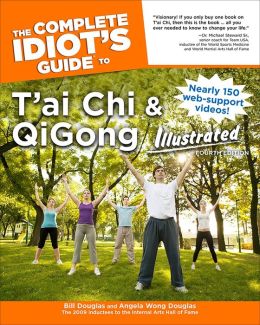
The Complete Idiot's Guide to T'ai Chi & QiGong Illustrated

Overview

T'ai Chi-a martial art used for health, meditation, and self-defense-and QiGong-a large variety of physical and mental training methods based on Chinese philosophy-are widely recognized to heal physically, mentally, emotionally, and spiritually. T'ai Chi has demonstrated its health benefits by being linked with everything from slowing the aging process and increasing balance and flexibility to lowering stress levels and enhancing the body's natural healing powers.


Endurance Training – Science and Practice

Overview

Endurance Training – Science and Practice is an up-to-date comprehensive guide for exercise and sport scientists, students, coaches and athletes who want to know all the intricacies of preparing for and adapting to endurance activity. Presented in a clear style and format, this book provides a broad base of knowledge and serves as an in-depth resource for anyone involved in research and practice of endurance sports, the fitness industry or health promotion.

Drawing on the knowledge and expertise of 55 international contributors who are recognized worldwide as leaders in their respective fields, this book covers all the scientific and practical aspects of endurance training and performance: the physiological determinants of endurance capacity; the adaptations that endurance training induces in the major systems in the body; training design to optimize endurance performance and avoid undesired outcomes such as detraining and overtraining; nutritional and psychological recommendations for optimal endurance training and racing; advice on working with young endurance athletes; dealing with stressful environmental conditions; and medical issues related to endurance training and competition.

The systematic approach followed in Endurance Training – Science and Practice makes this book invaluable to all athletes, coaches, researchers and practitioners involved in endurance training.


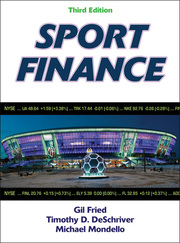
 Sport Finance-3rd Edition

Overview
Sport Finance, Third Edition, grounds students in the real world of financial management in sport, showing them how to apply financial concepts and appreciate the importance of finance in establishing sound sport management practices. Thoroughly updated to address the challenges facing today’s professionals, this text engages students with a practical approach to traditionally difficult financial skills and principles. 

New arrivals please check here!

The Technological and Scientific Evolution of Modern Tennis


TN

Friday, 23 May 2014

Dr Grant Abt appointed Social Media Editor for Journal of Sports Sciences


Dr Grant Abt (@grantabt) was appointed as Social Media Editor for Journal of Sports Sciences (@JSportsSci

Dr Abt was appointed following a discussion at an Editorial Board meeting about taking journal content into new directions, enhancing its visibility to the public and engaging with new audiences about it, in new ways.

The role of Social Media Editor is a new position for Taylor & Francis Journals and Dr Abt was the first to take on this kind of role. His novel ideas, such as “Twinterviews”, have meant that he has helped to shape and develop this role.

The role does not necessarily require the person to set up a range of social media accounts, it requires them to pick the right one for their journal and to use it effectively for that subject area. Twitter was perfect for JSS due to its existing exposure via @tandfsport and the large sport science following on Twitter looking for cutting edge research and conversations to join that will ultimately enhance their own work.

Dr Abt’s work in this area has not only meant the journal has reached new groups and new people, but has also created a new forum for sport and exercise scientists, and for anyone with a more general interest in sport science to talk about the latest issues and topics in the field.


More information about the role is available on the Taylor and Francis website.

Social Media for Researcher


Social media is an important technological trend that has big implications for how researchers (and people in general) communicate and collaborate. Researchers have a huge amount to gain from engaging with social media in various aspects of their work.

This guide has been produced by the International Centre for Guidance Studies, and aims to provide the information needed to make an informed decision about using social media and select from the vast range of tools that are available.

One of the most important things that researchers do is to find, use and disseminate information, and social media offers a range of tools which can facilitate this. The guide discusses the use of social media for research and academic purposes and will not be examining the many other uses that social media is put to across society.

Read more: Social media: A guide for researcher

Tuesday, 20 May 2014

Getting an Edge: Body Composition Science for Track and Field Athletes


Understanding body composition is an important element in any athletes’ training regimen—especially in the case of track and field athletes. Being that a variety of athletic types compete in this sport, it is imperative for each athlete to know and understand their own body. The IAAF (International Association of Athletics Federation) developed a practical health and performance guide for track and field athletes entitled Nutrition for Athletics This practical guide is an excellent source for elite track and field athletes who are training for the upcoming Olympic Games and need effective strategies regarding changes in body composition, nutrition and dieting, and adaptions in training.


The United States Sports Academy is currently undergoing a research study involving the body composition of hundreds of athletes. One of the purposes of the study is to assess the validity of various body composition assessments. Out of the hundreds of athletes that have already been tested, many have competed or currently compete in the sport of track and field. This research study gives athletes the opportunity to receive over $500 worth of body composition results for free. Camilla Armstead, a sprinter at The University of Alabama had the opportunity to participate in the free testing and stated “the testing procedures were very thorough and included some of technology’s most advanced equipment and devices to assess body composition…as an athlete, this type of testing is critical to me. I will definitely use all the information to help determine nutritional plans and exercise routines.”

Some of the assessments in the research study include hydro-static weighing, air displacement plethysmography (BOD POD), skin-fold measurements, and multiple bio-electrical impedance devices. One of the impedance devices used at the Academy provides a comprehensive analysis of each athlete’s body, assessing elements of nutritional evaluation, weight management, body balance and strength, and health and obesity diagnosis. With these detailed results, athletes are able to track changes in their body composition, which is important during periods of seasonal training. With the 2012 Olympics just around the corner, track and field athletes are undergoing intense training; therefore it is imperative for these athletes to peak at the right time. Having a detailed body composition analysis will be useful in assessing bodily changes, as well as correlating these changes with athletes’ performances.


Physical activity and academic achievement

Academic success is an outcome that most parents see as a high priority and many actively help their children strive to attain it. We are all aware that regular physical activity is good for our health, but recent literature has also linked physical activity to helping youth perform better in school.

There are several theories for why exercise is beneficial for brain function:

  1. Increased blood flow to the brain, which helps feed the brain with nutrients such as oxygen and glucose
  2. An increased level of endorphins lowers levels of stress and anxiety
  3. Improved growth factors that spark learning by increasing the number of brain cells in the hippocampus - the area of the brain that is essential for memory and learning 
Regular exercise has been linked to improved concentration, memory, verbal skills and self-esteem. Findings from available research suggest that physically fit children tend to perform better academically in school compared to those who are overweight or unfit and time spent in physical education classes may improve academic performance.

A study from the University of Illinois found that students performed better on reading comprehension, math and spelling when they had a 20-minute period of physical activity immediately preceding the test.

It may be easy to think that the physical activity a student participates in at school is enough to improve grades, but adding in some extra activities won't hurt. The American College of Sports Medicine (ACSM) recommends finding family activities to participate in as well as encouraging youth to find an activity that they enjoy. By promoting fun physical activity, youth may not only benefit from increased academic potential, they have a greater chance of sustaining healthy lifestyle habits into adulthood.

Tuesday, 28 January 2014

Sports medicine people to follow on Twitter


Many sports medicine professionals are using Twitter as a tool for connecting with others people in their field. The challenge is finding the right person to follow, especially if you are new to social media. So, to get you started, here is a list of 26 accounts that can bring some value to your stream. We hope it will help grow your connections while advancing your personal and professional knowledge.

 Jom follow!

Leading institute delivering a range of performance impacting sport science, sport medicine and technology solutions to Malaysian elite athletes.

Ross Tucker is an exercise physiologist and high performance sports consultant. He has tweeted more than 14K messages with interesting scientific facts about sport and exercise.

The ACSM is the largest sports medicine organization in North America and around the world. Tweets are mainly related to the organization’s publications and other sports medicine news.

Very active promoter of kids safety in sports. They also tweet well–researched information not only for parents but also for coaches and health professionals.

The National Academy of Sports Medicine provides education and credentials for fitness, sports performance and sports medicine professionals.

SportsMD provides sports health information and helps athletes find top sports doctors and specialist

Orthopaedic surgeon very active on social media with over 33k tweets and a blog with resources about sports injuries, sports medicine, and health.

Editor of the British Journal of Sports Medicine, Karim Khan is an authority in sports medicine and a great source of information about research studies and publications.

National Athletic Trainers’ Association is the professional membership association for certified athletic trainers and others who support the athletic training profession in the United States.

English Institute of Sport is the UK leading institute delivering a range of performance impacting sport science, sport medicine, technology and engineering solutions to Olympic and Paralympic sports.

The official Twitter account of the World Anti–Doping Agency, an international independent agency composed and funded equally by the sport movement and governments of the world.

Sports medicine physician, each week he reviews four research papers on exercise science, performance, and biomechanics.

The STOP Sports Injuries, initiated by the American Orthopaedic Society for Sports Medicine, aims to get parents, coaches, athletes & healthcare providers to help prevent athletic overuse & trauma injuries in kids.

The British Association of Sport and Exercise Sciences is the professional body for sport and exercise sciences in the UK.

Mike Reinold is a physical therapist, athletic trainer, and strength coach who is highly active online with a blog and many publications.

Twitter account of Andrew M. Blecher, sports medicine physician who promotes discussion on current issues in the world of sports medicine.

Michael Evans is a doctor who became a YouTube sensation by posting creative videos about health issues. He successfully mastered the use of media to present scientific data in a way that is engaging and educational.

The American Orthopaedic Society for Sports Medicine (AOSSM) is a world leader in sports medicine education, research, communication, and fellowship.

Andrew Murray is sport doctor and an advocate of physical activity that embraces social media to promote exercise while sharing his own experience.

Peter Brukner is a world renowned sports medicine physician, author, and media commentator.

Chris Melton of the Rotater posts regular tweets of useful resources (news, articles, videos) about shoulder injuries and rehabilitation.

David Geier is an orthopaedic surgeon and sports medicine specialist that tirelessly promotes sports safety and shares his expert knowledge through his website with publications and weekly podcasts.

The European College of Sport Science is an international non–profit organization that promotes science and research, with special attention to the interdisciplinary fields of sport science and sports medicine.

John Orchard is a sports physician, researcher, and associate editor of BJSM.

Chris Beardsley is a popular writer, a biomechanics researcher and a trainer specializing in the use of sports science to help improve athletic performance.

Co-host of Sports Medicine Weekly radio show, Brian Cole is a professor, sports medicine specialist, and orthopaedic surgeon.